 29, 30 NOV
 & 1 DEC 2026
 29, 30 NOV
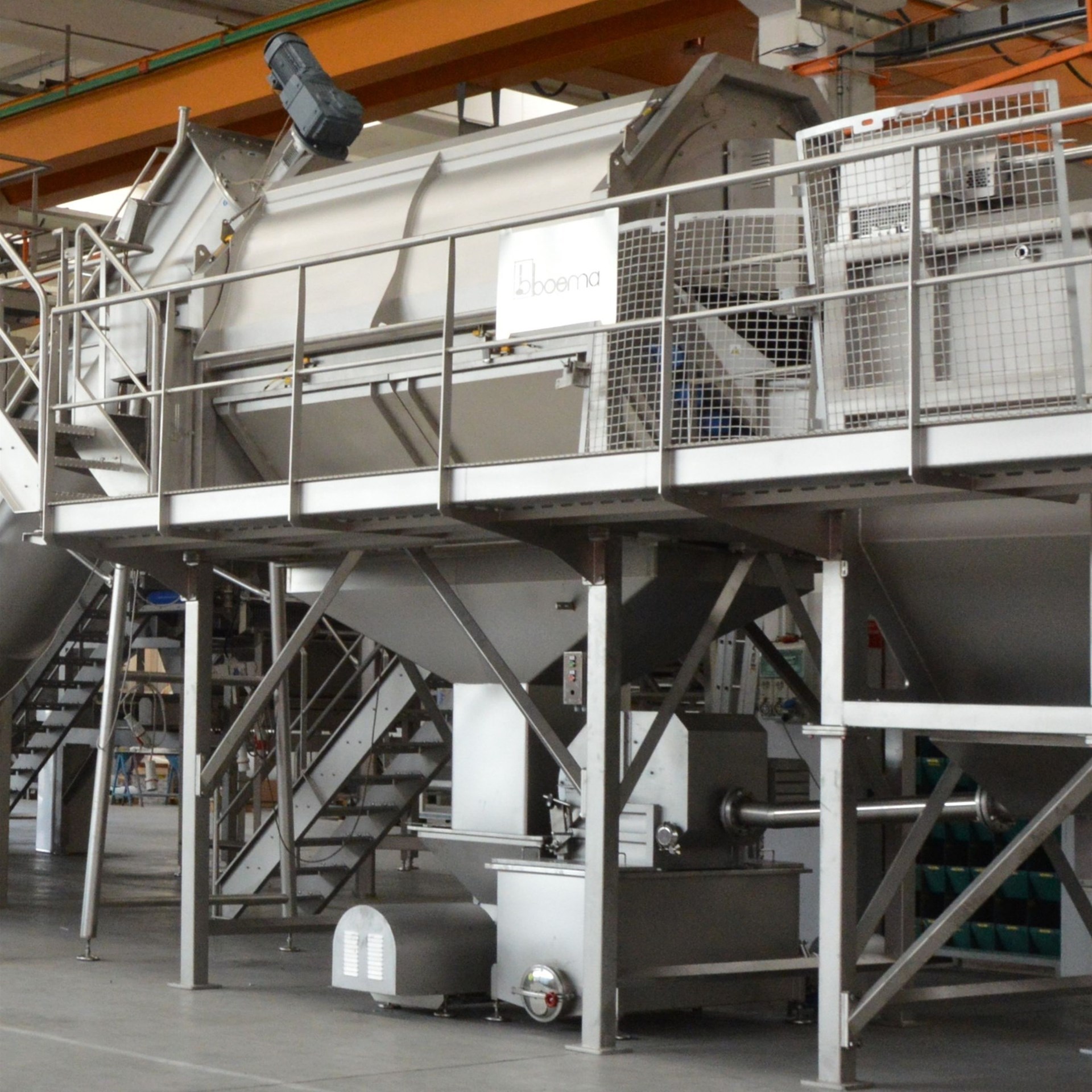
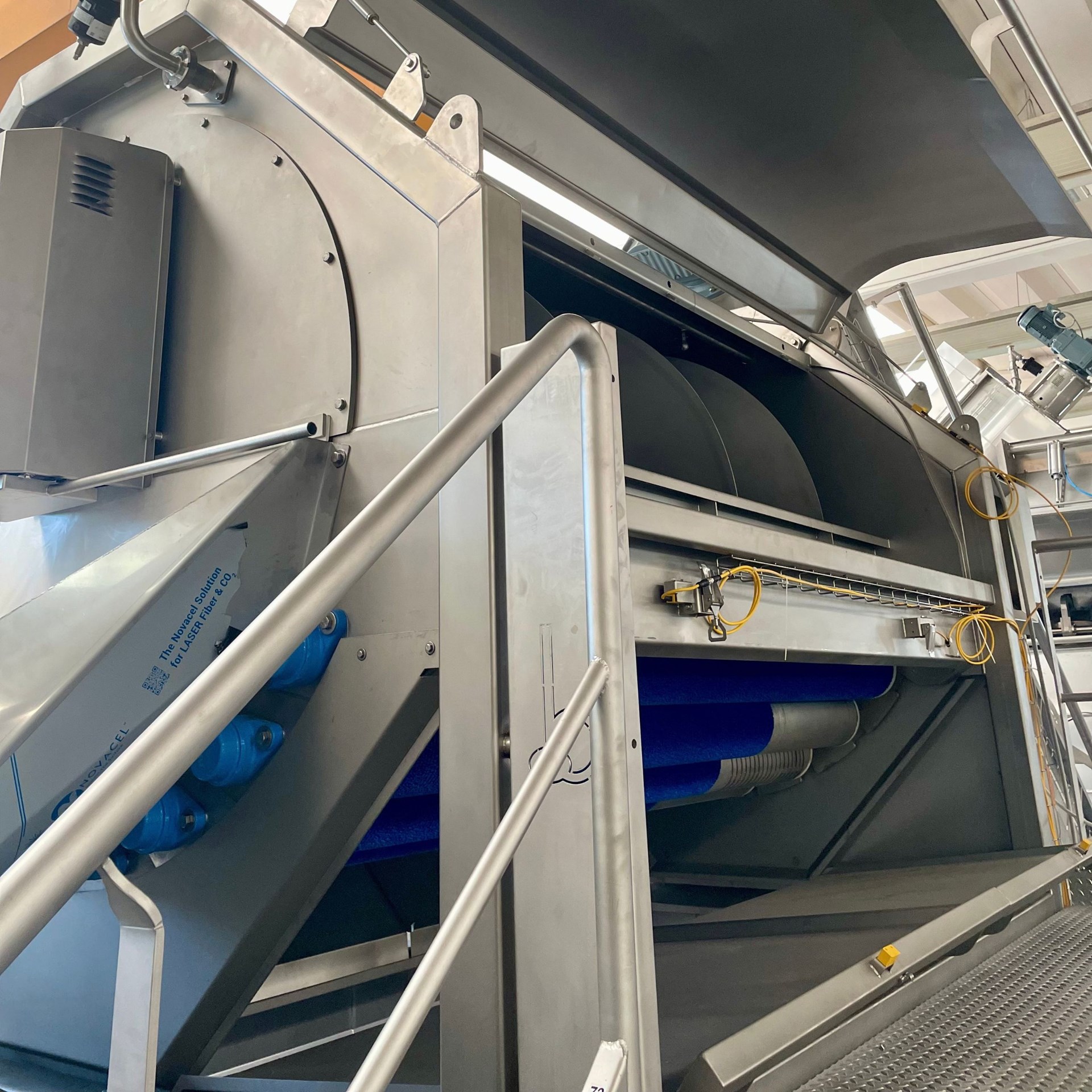
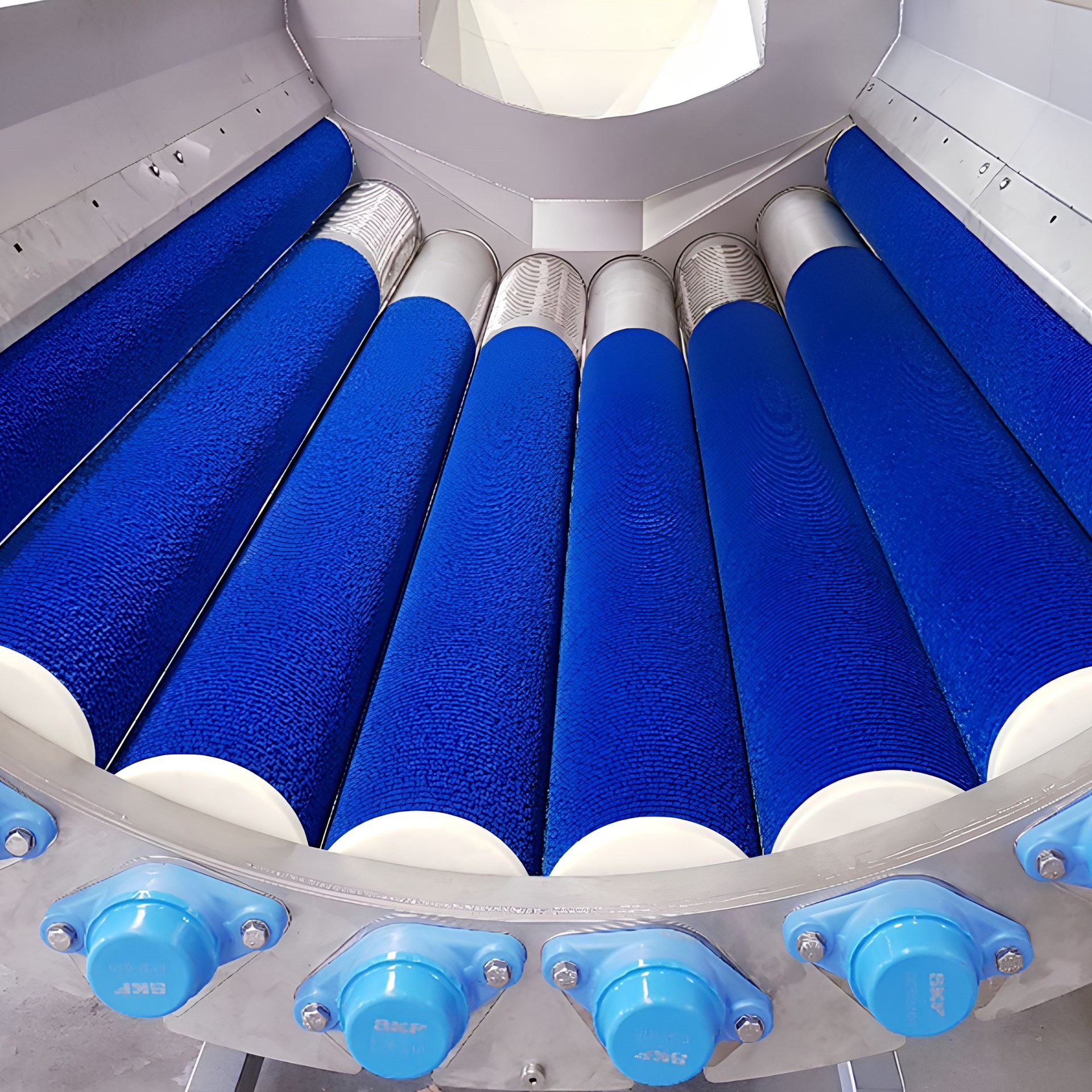
After steam peeling, peel residuals are what stand between you and full yield. The A81/8H brushing machine works continuously, with a cradle of 8 rollers and a central screw at adjustable speed, for products up to Ø 250 mm. Two configurations, depending on your line. In the dry process the outer rollers are completely covered by brush envelopment, while the central rollers are covered by brushes on the two finishing thirds of their length, the first third being a smooth steel surface with special profiles for product moving: water consumption is ~0% of the processed product flow rate, with timed opening of the water inlet valve for brush washing only. In the dry + wet process all rollers are completely covered by brush envelopment and water is limited to ~20% of the processed product flow rate (adjustable), for product rinsing. Entirely made of AISI 304 stainless steel, with a highly hygienic design and a reduced gap to limit good-product loss. New: an optional kit allows washing with brushes and screw in motion, speeds adjustable via software and fixed safety grids.
Date of market introduction in Belgium (if still in development: expected date of launch)
2025
Briefly describe what is NEW. This explanation will be submitted to the expert group and will be decisive in the evaluation and selection of the most newsworthy entries. (max. textarea: 600 characters)
The A81/8H brush peeler introduces a fully hygienic design with an integrated CIP system: cleaning is quick and easy, even with rollers and screw in motion thanks to the openable upper and lower doors. Skin removal runs with zero water consumption. Operational reliability is increased by special sealed bearings that eliminate the manual greasing routine. The open construction also allows the brushing rollers to be replaced quickly, reducing downtime. The reduced gap between the rollers minimises the loss of good product.
Added value for the user (in commercial terms, user-friendliness ...)
The benefit for the user is tangible: peeling without water cuts supply, filtration and wastewater treatment costs and lowers the environmental footprint. The line stays productive longer: cleaning and roller change-outs take far less time and no scheduled greasing is needed. The hygienic CIP design makes the operator's job easier and supports compliance with food safety standards. The reduced gap between rollers limits the loss of good product, increasing yield. The result: lower operating costs and higher line availability.
Added value for the further sustainability and professionalization of the potato sector.
The main contribution is lower water consumption: dry peeling reduces water withdrawals and the volume of wastewater to be treated, a key lever for a water-intensive sector. The reduced gap between rollers limits the loss of good product, improving the value recovered from each harvest and cutting food waste. Less maintenance and no periodic greasing mean fewer lubricants and lower energy use linked to stoppages. Finally, standardised CIP cleaning procedures raise the professional and hygienic level of potato processing plants.