
 29, 30 NOV
 & 1 DEC 2026
 29, 30 NOV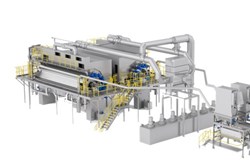
Recover. Recompress. Reuse.
With SteamClosure, Tummers took an important step towards recovering valuable energy from potato flake production. Previously featured in the Interpom Innovation Tour, SteamClosure captures residual heat from drum drying and makes it available for reuse.
Now, together with Callens (Stand XX), we are taking the next step. Mechanical Vapour Recompression captures energy from the process vapour, transfers it to a clean steam circuit and uses compressors to bring the steam back to the pressure and temperature required by the drum dryers.
The first pilot at Aviko Rixona is scheduled for the end of 2026, targeting a COP of 4 and an estimated reduction of 8,000 tonnes of CO₂ per year.
Together, SteamClosure and MVR bring potato flake production closer to a circular energy process: recovering, upgrading and reusing energy instead of letting it go to waste.
SteamClosure was the first step. MVR is the next.
Key benefits
*Based on expected performance of the first pilot installation.
Date of market introduction in Belgium (if still in development: expected date of launch)
01-03-2027
Briefly describe what is NEW. This explanation will be submitted to the expert group and will be decisive in the evaluation and selection of the most newsworthy entries. (max. textarea: 600 characters)
MVR takes energy recovery in potato drum drying to the next phase. Where SteamClosure already makes residual heat from the drying process available for reuse, MVR makes it possible to upgrade energy from process vapour and return it to the steam circuit of the drums. Foodera Technologies is developing this application together with Callens. The first pilot at Aviko Rixona targets a COP of 4 and a potential CO₂ reduction of approximately 8,000 tonnes per year.
Added value for the user (in commercial terms, user-friendliness ...)
The greatest added value is a significant reduction in energy demand and with it, a reduced dependency on natural gas. With a target COP of 4, one unit of electricity yields approximately four units of thermal energy. This offers potato flake processors a route toward electrification with a significantly lower impact on the electrical grid compared to direct electric steam generation. At the same time, energy that would normally be lost becomes part of the production process once again, which can strongly reduce operating costs and CO₂ emissions.
Added value for the further sustainability and professionalization of the potato sector.
MVR brings potato flake production closer to a circular energy process. After recovering residual heat with SteamClosure, upgrading and returning energy to the drying process is the next step. This creates a scalable concept to drastically reduce the use of fossil fuels in one of the most energy-intensive steps of potato processing. The pilot can therefore form an important foundation for further sustainability across the sector.