
 29, 30 NOV
 & 1 DEC 2026
 29, 30 NOV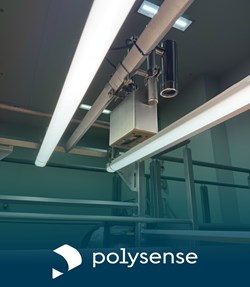
Polysense Qualify inspects 100% of production with inline cameras and AI, instead of sampling. The system measures the length, width, shape, color and volume of every product and detects damage, bruising, deformation, off spec products and foreign material such as stones, plastic or wood. Natural variation becomes objective quality data, per batch and per shift, in real time. Quality issues show up immediately, not afterwards in the lab. Qualify works with existing equipment and connects with PLC, SCADA and MES.
Date of market introduction in Belgium (if still in development: expected date of launch)
2022
Briefly describe what is NEW. This explanation will be submitted to the expert group and will be decisive in the evaluation and selection of the most newsworthy entries. (max. textarea: 600 characters)
Polysense Qualify replaces sampling with 100% inline inspection in potato processing. Where quality is checked today with one sample per hour or less, AI cameras measure every product in real time: length, width, shape, color, damage, bruising, deformation and foreign material such as stones, plastic or wood. The AI is trained on natural product variation and gives an objective result, no matter who does the check. Deviations are visible the moment they appear, per batch and per shift. Qualify connects with PLC, SCADA and MES.
Added value for the user (in commercial terms, user-friendliness ...)
Quality issues are spotted immediately, not hours later in the lab. That lets the team step in before a full batch is rejected or off spec product reaches the customer. Every shift works with the same objective numbers, which cuts down on quality discussions with customers and between departments. The system is installed on the existing line without changing the process, and results can be followed in simple dashboards.
Added value for the further sustainability and professionalization of the potato sector.
Measuring every potato shows straight away where raw material is lost, so that loss can be tackled directly. Early detection prevents full batches from being rejected or reprocessed, which saves waste, energy and water. Because quality is recorded objectively and completely, the sector gets a shared, measurable language on quality between grower, processor and customer. That makes specifications more transparent and quality management more professional, at a time when experienced quality staff are harder to find.