
 29, 30 NOV
 & 1 DEC 2026
 29, 30 NOV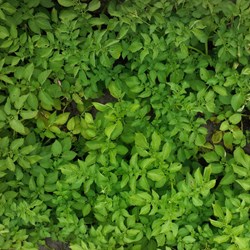
Croptic Late Blight Detection finds Phytophthora infestans in potatoes from a drone. The first generation of models exists and is live, developed on drone images from 2025 and 2026 from Agrico. A drone flies over the fields quickly and regularly, and the AI model searches the images for plants with late blight. On detection, the grower receives an alert with the GPS point and the photo and can go into the field for a targeted check. Organic growers can act immediately and in the right place (burning). Conventional growers with varieties carrying different resistance genes can often delay the first fungicide sprays until the first diseased leaf is found in that region and resistance group. Later, a link to an anonymous, region-wide early detection system can add extra value. We will launch this in beta in 2027, after the first positive experiences in 2026. As there has not yet been an extreme late blight year, we do so in close collaboration with you. Interested? Visit us at stand R14.
Date of market introduction in Belgium (if still in development: expected date of launch)
De eerste generatie modellen bestaat en is live, ontwikkeld op dronebeelden uit 2025 en 2026, afkomstig van Agrico. In teeltseizoen 2027 lanceren we dit in bèta, in nauwe samenwerking met telers, omdat we nog geen extreem Phytophthora-jaar gehad hebben.
Briefly describe what is NEW. This explanation will be submitted to the expert group and will be decisive in the evaluation and selection of the most newsworthy entries. (max. textarea: 600 characters)
Late blight resistant varieties are treated preventively according to spray calendars and warning models, even when no breakthrough has occurred anywhere in an entire region. With Croptic, a drone can fly over potato fields quickly and regularly, and an AI model searches those images for plants with late blight. On detection, the grower receives an alert with a GPS point and the photo itself. The grower can then go into the field for a targeted check if needed. The first generation of models is live. In future, detections can be linked anonymously into a region-wide early detection system.
Added value for the user (in commercial terms, user-friendliness ...)
Growers see sooner whether and where late blight is in their field. Organic growers can act immediately and in the right place (burning). Conventional growers with varieties carrying resistance genes can often delay the first fungicide spray and let the genes work until the first diseased leaf is found in that region and resistance group. When controlling late blight with crop protection products, only the last spray counts: whoever waits as long as possible with the first saves on products. After an alert, the grower or field scout goes to the point in the field and decides there themselves.
Added value for the further sustainability and professionalization of the potato sector.
This technology prepares the potato sector for a future with fewer fungicides: only start spraying when there actually is a breakthrough, instead of always spraying preventively. At farm level, the grower knows where the disease is. In future, this can gain extra value by anonymously linking growers' detections in a region-wide early detection system, so that everyone in a region is informed when a resistance group breaks through. That is why we want to fly over as many hectares as possible in 2027: the more growers fly, the better the AI model becomes.